
Indian Embassy Attestation
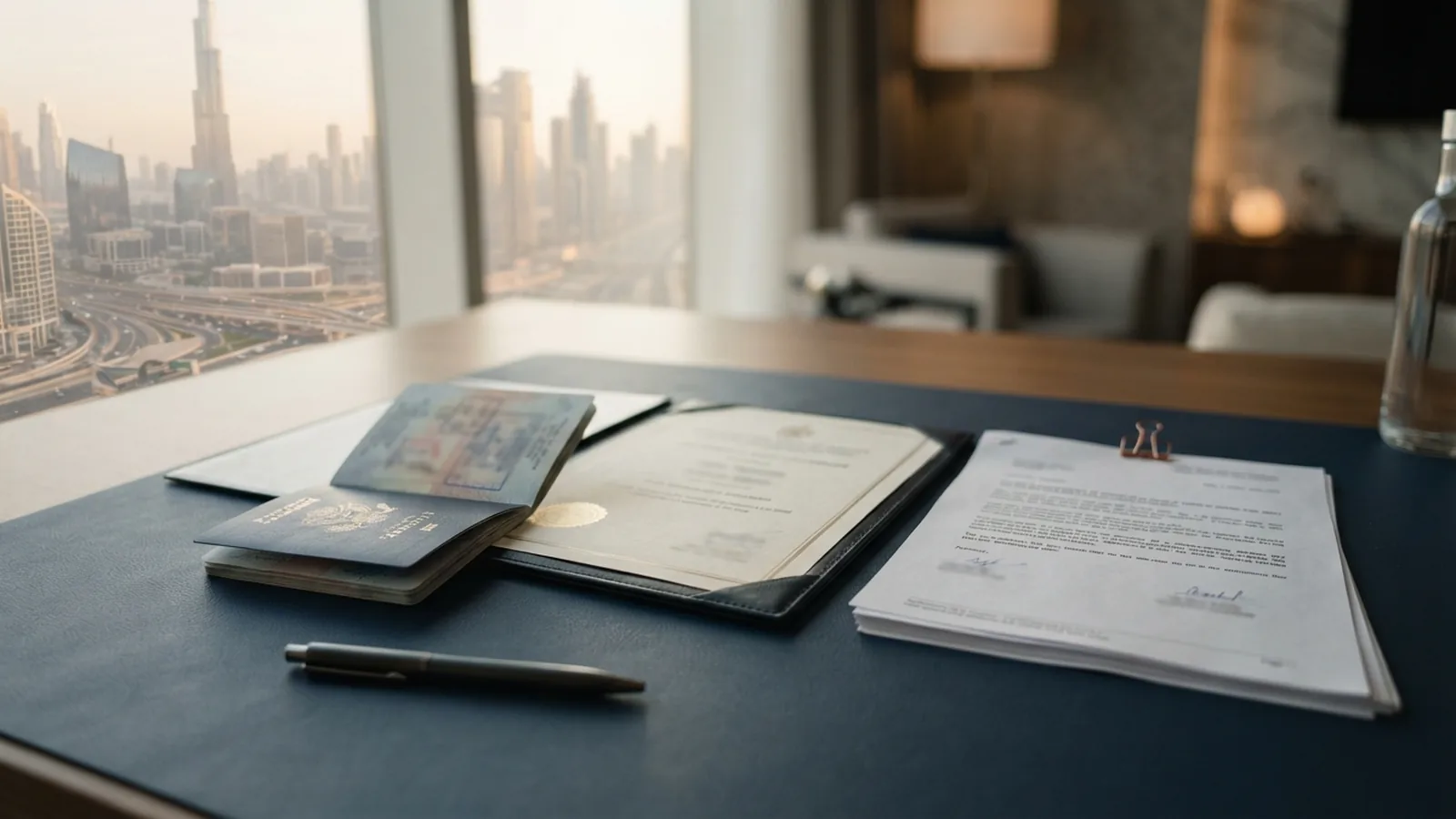
Indian consulate attestation in Dubai, handled end to end.
Consular Legalisation
Every embassy in the UAE runs its own counter, its own rules and its own queue. We know which ones need appointments, which accept couriers, and which will refuse a document for a reason that is not written down anywhere.
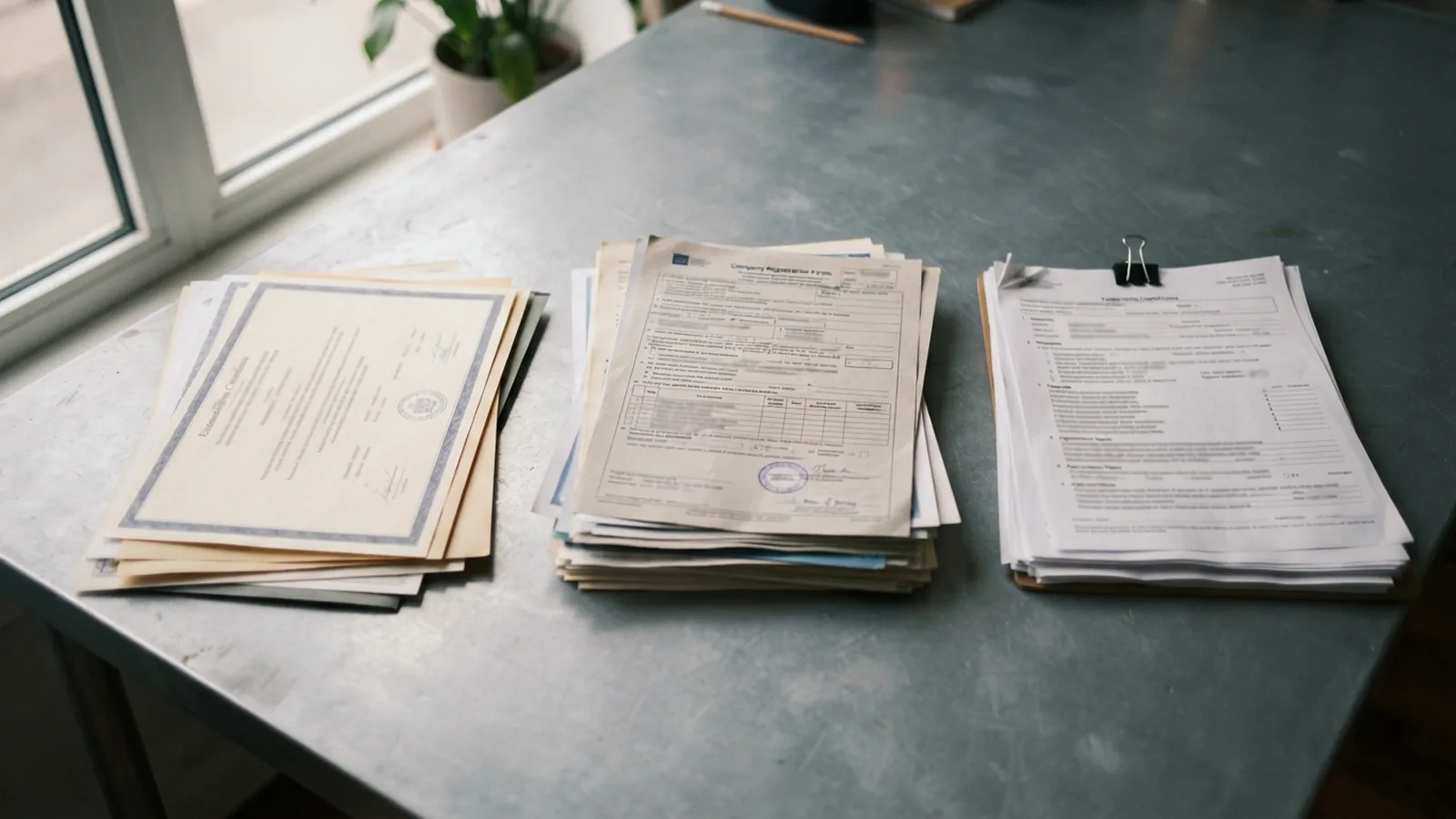
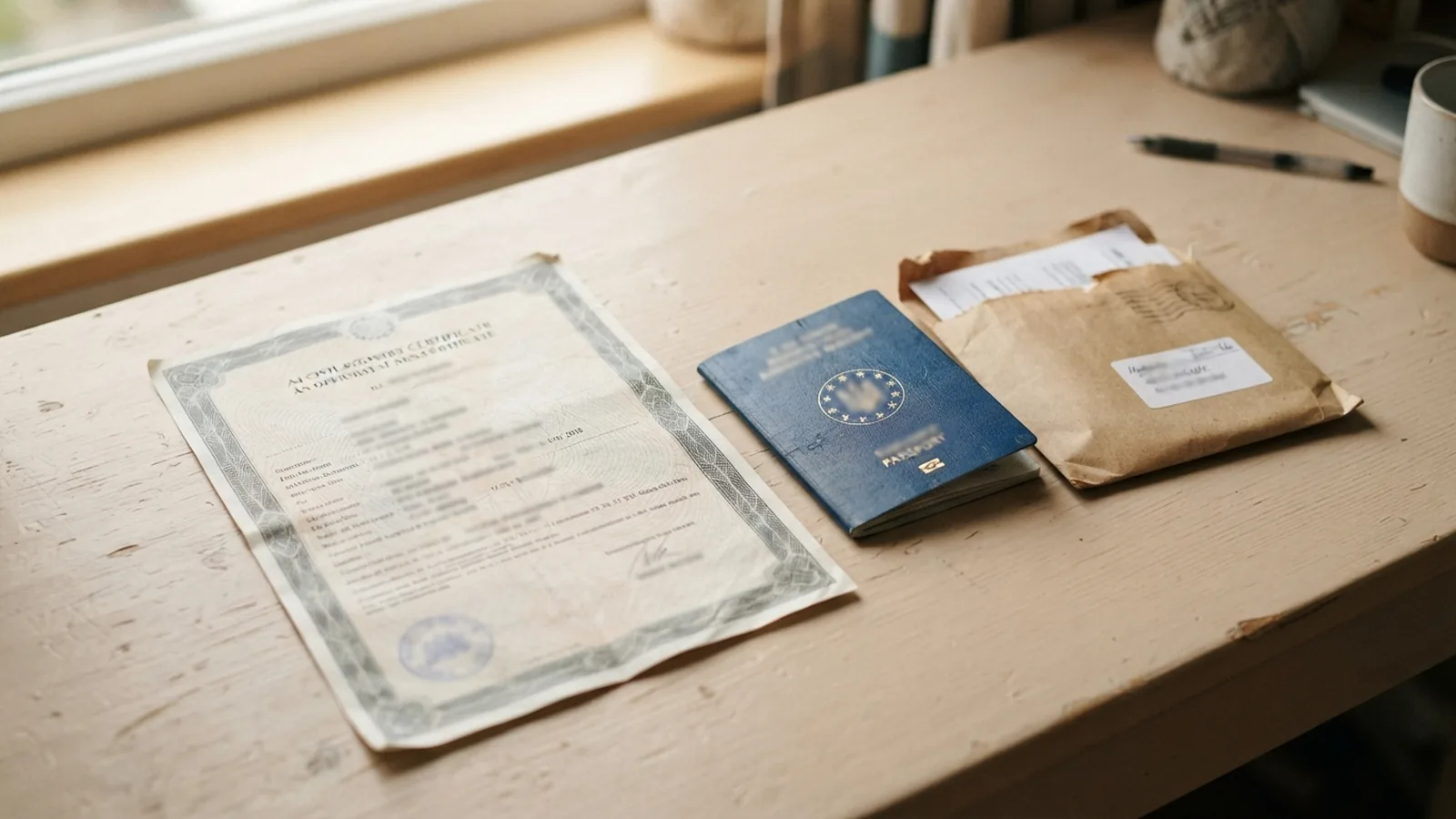
Embassy attestation is legalisation of a document by the embassy or consulate of the country where it will be used. A UAE-issued document going abroad is attested by MOFAIC first, then by that country's embassy here. A foreign document coming into the UAE is attested by the UAE embassy in the issuing country.
| What it is | Legalisation by the destination country's diplomatic mission in the UAE |
|---|---|
| Prerequisite | MOFAIC attestation, for UAE-issued documents |
| Common documents | Degrees, birth and marriage certificates, police clearance, powers of attorney, commercial invoices |
| Turnaround | From same day to several weeks, entirely dependent on the mission |
| Translation | Required by some missions into their own language |
| What MSM handles | Requirement check, MOFAIC step, appointment, submission, collection |
Last updated 2 August 2026 · Reviewed by Mohammed Shareef A, Senior PRO Consultant, Dubai government liaison. Fees and timelines are set by the issuing authority and change without notice — confirm current figures before you budget.
For a document issued in the UAE and going abroad: MOFAIC first, then the embassy. The embassy is legalising the UAE ministry's stamp, so the stamp has to exist.
For a document issued abroad and coming to the UAE, the equivalent step happened in the issuing country: the UAE embassy there attested it, and MOFAIC here finishes the chain. Either way, the destination's mission signs off on the origin country's ministry.

Because each mission applies its own government's rules, not the UAE's. Some legalise on the spot. Some take three weeks. Some require the document translated into their language by a translator they recognise. A few will only deal with an approved agent and will not accept a walk-in at all.
None of this is published in one place, which is most of the value in outsourcing it.

A document without the MOFAIC stamp. A document where the MOFAIC stamp is on a photocopy rather than the original. A name spelling that does not match the passport. A translation done by someone the mission does not recognise.
And, frequently, a document that is simply too old for the mission's liking — several will not legalise a police clearance or a civil status certificate issued more than a few months ago.

Yes, and it is a large part of what embassy attestation is actually used for. Certificates of origin, commercial invoices, board resolutions, distribution agreements and powers of attorney all pass through the same route when a transaction crosses borders.
Commercial documents often need a chamber of commerce stamp before MOFAIC, which is a link that is easy to miss on a first shipment.

| Variable | Fast case | Slow case |
|---|---|---|
| Mission location | Consulate in Dubai | Embassy in Abu Dhabi only |
| Submission method | Walk-in accepted | Appointment only, booked days ahead |
| Translation | Not required | Required into the destination language |
| Document age | Recently issued | Older than the mission's accepted window |
| Prior attestation | MOFAIC already done | Chain incomplete, must be rebuilt |
| Document type | Personal certificate | Commercial, needing chamber attestation first |
Tell us the destination country at the start. It changes the requirements more than the document type does, and it is the one detail that determines whether this is a two-day job or a three-week one.
The MOFAIC stamp that must come before the embassy step.
Why the UAE cannot issue an apostille, and what replaces it.
Ministry of Justice licensed translation into 75+ languages.
Indian consulate attestation in Dubai, handled end to end.
Oman consulate attestation in Dubai for employment, education and company documents.
Pakistan Consulate attestation in Dubai, handled for you.
Philippine consularisation and attestation in Dubai.
Saudi consulate legalisation in Dubai for employment, commercial and family documents.
Read next: Certificate attestation for the UAE: the full chain · MOFAIC attestation: the final step, explained · Marriage certificate attestation for a UAE family visa
QUESTIONS & ANSWERS
Start Today
The destination country decides almost everything here. Name it and we can quote accurately in one reply.
Hotline: +971 52 933 0454
Email: info@msmdoc.com
Office: Deira, Dubai — serving all seven emirates.